Endless meetings make it difficult to see who needs to attend, where time is going, and what needs to happen next. HBR reported that the average employee spends more than 23 hours per week in meetings and that up to 71% are considered unproductive.
Google Calendar data can expose those patterns. Used well, it helps teams decide which meetings to change, how to improve collaboration, and where to protect time for work.

The Problem with Meetings
Meetings are a necessary part of work, but they can also be a major source of frustration for employees and managers alike. One of the biggest issues with meetings is that there are often too many of them, leading to meeting overload. This can cause employees to feel overwhelmed and stressed, and it can be difficult for them to get their regular work done.
Another problem with meetings is that they often lack structure and purpose. Meetings that are poorly planned or poorly run can be a waste of time for everyone involved. They can also create a negative meeting culture, where employees dread attending and feel that their time is not being valued.
These issues with meetings can have a significant impact on productivity and employee engagement. When employees feel that their time is being wasted in meetings, they are less likely to be motivated to work. Additionally, poor meeting culture can lead to a lack of collaboration and poor communication among teams.
In order to address these problems with meetings, it is important to have a tool that can provide a 360-view of meeting habits and provide actionable insights. In the next chapter, we will explore how Flowtrace Google Calendar Insights can help solve these issues and make meetings more productive and effective.
The solution: Google Calendar Insights
At Flowtrace, we believe that modern work should be visible, measurable, and actionable. That's why we've developed a calendar analytics platform that integrates with Google Calendar to show meeting patterns teams can act on.

With Google Calendar Insights, leadership teams, managers, and employees can see how their meetings are being run and identify areas for improvement. The tool also provides AI recommendations benchmarked against clients of similar type and size, making it easier to compare meeting patterns.
Benefits of Google Calendar Insights
One of the key benefits of Google Calendar Time Insights is that it can help improve punctuality. By tracking attendance and start times, the tool can identify patterns of tardiness and provide recommendations for addressing the problem. Additionally, the tool allows anonymous feedback and ratings, making it easy for employees to provide their input on meetings, which can help leadership team to improve the meeting culture.
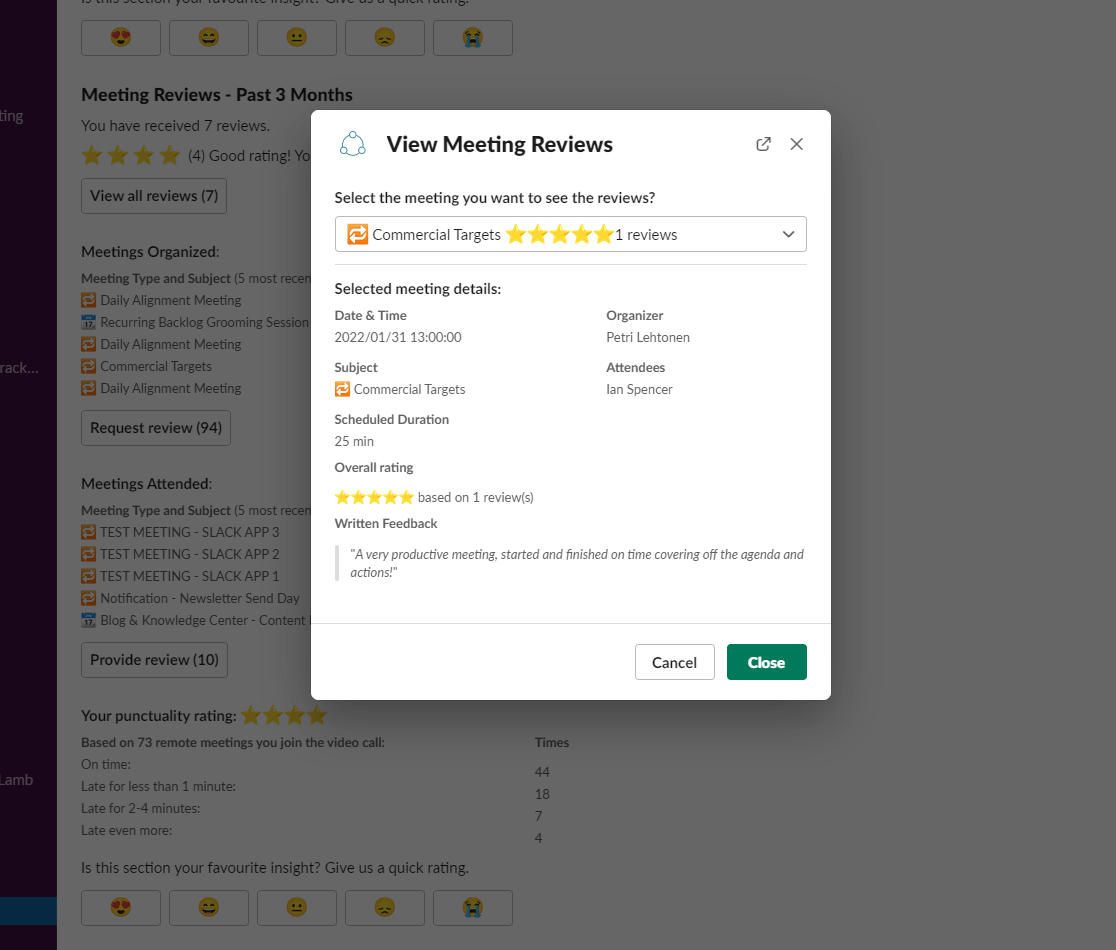
Another benefit of Google Calendar Insights is that it can help increase collaboration and communication among teams. By providing insights into how different teams are interacting, the tool can identify areas where teams are working in silos and make recommendations for how to improve collaboration. With the knowledge base articles, it can also provide employees with the information they need to improve the way they work.
In summary, Google Calendar Insights is a powerful tool that can help leadership teams, managers, and employees transform meetings and make work better. With its ability to provide a 360-view of meeting habits, AI recommendations, and employee pulse surveys, it can help improve punctuality, collaboration, and communication among teams.

Transform your Meetings with Google Calendar Insights
We've discussed how clients often experience pain points such as meeting overload, poor meeting culture, lack of collaboration, information flow problems, lack of visibility, and lack of metrics. Google Calendar Insights can make those patterns visible so teams can decide what to change.
Modern work should be visible, measurable, and actionable. Flowtrace integrates with Google Calendar to make meeting management metrics usable:
With Flowtrace, you'll be able to see your meetings in a whole new light, and make data-driven decisions to improve internal collaboration, communication and culture. So, ready to transform your meetings?